Introduction
Most Milwaukee homeowners are surprised to learn that retaining wall costs range from a few hundred dollars to well over $20,000—for what looks like the same basic project. The difference comes down to material, height, site access, and who's doing the work. Whether you're terracing a sloped backyard or shoring up a crumbling garden bed, getting a realistic number before you start saves real headaches later.
This guide covers 2026 pricing by material type, breaks down what you'll spend on labor versus materials, and walks through the factors—soil conditions, drainage, permits—that push budgets higher. You'll also find a comparison of DIY versus contractor costs for smaller projects, so you can make an informed call before committing.
TL;DR
- National average: $40–$360 per linear foot, with total project costs ranging from $3,196 to $9,201
- Wall height and material choice drive costs more than any other factor
- Budget materials like timber or basic block run $40–$80/ft; premium stone or poured concrete can hit $200–$360/ft
- Drainage, permits, and excavation are common hidden costs—budget for them before breaking ground
How Much Does It Cost to Build a Retaining Wall in 2026?
A simple garden border retaining wall and a slope-stabilizing structural wall can differ by tens of thousands of dollars. Getting the estimate right starts with understanding what actually drives that gap.
In 2026, the national average cost to install a residential retaining wall ranges from $3,196 to $9,201, with a median project cost around $6,073. Expressed per linear foot, costs span from $40 to $360 depending on wall height, materials, and site conditions.
A typical residential retaining wall — 25 linear feet long and 4 feet tall (100 square feet total) — costs between $3,500 and $6,500 installed, assuming standard materials like concrete block, level ground, and professional installation.
Wall height is the single biggest cost multiplier. Taller walls require deeper footings, more material, reinforcement, and often engineering approval. Here's how installed costs scale:
| Wall Length | 2 ft Tall | 4 ft Tall | 6 ft Tall |
|---|---|---|---|
| 10 Linear Feet | $700–$1,300 | $1,400–$2,600 | $2,100–$3,900 |
| 25 Linear Feet | $1,750–$3,250 | $3,500–$6,500 | $5,250–$9,750 |
| 50 Linear Feet | $3,500–$6,500 | $7,000–$13,000 | $10,500–$19,500 |
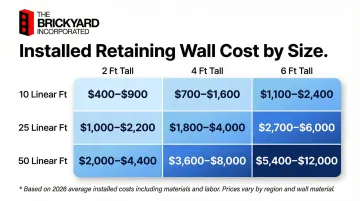
Source: 2026 average installed costs including materials and professional labor
Material choice is the other major cost driver. Here's what each tier covers.
Basic / Entry-Level Retaining Walls
Entry-level walls use timber, basic concrete block, or dry-stacked stone under 3 feet tall. Installed costs run $15–$30 per square foot. These suit low-pressure applications:
- Garden borders and decorative grade changes
- DIY-friendly builds where structural load isn't a concern
- Situations where budget matters more than longevity
Timber is the most affordable option but has the shortest lifespan — typically 10–20 years — due to rot and moisture exposure.
Mid-Range Retaining Walls
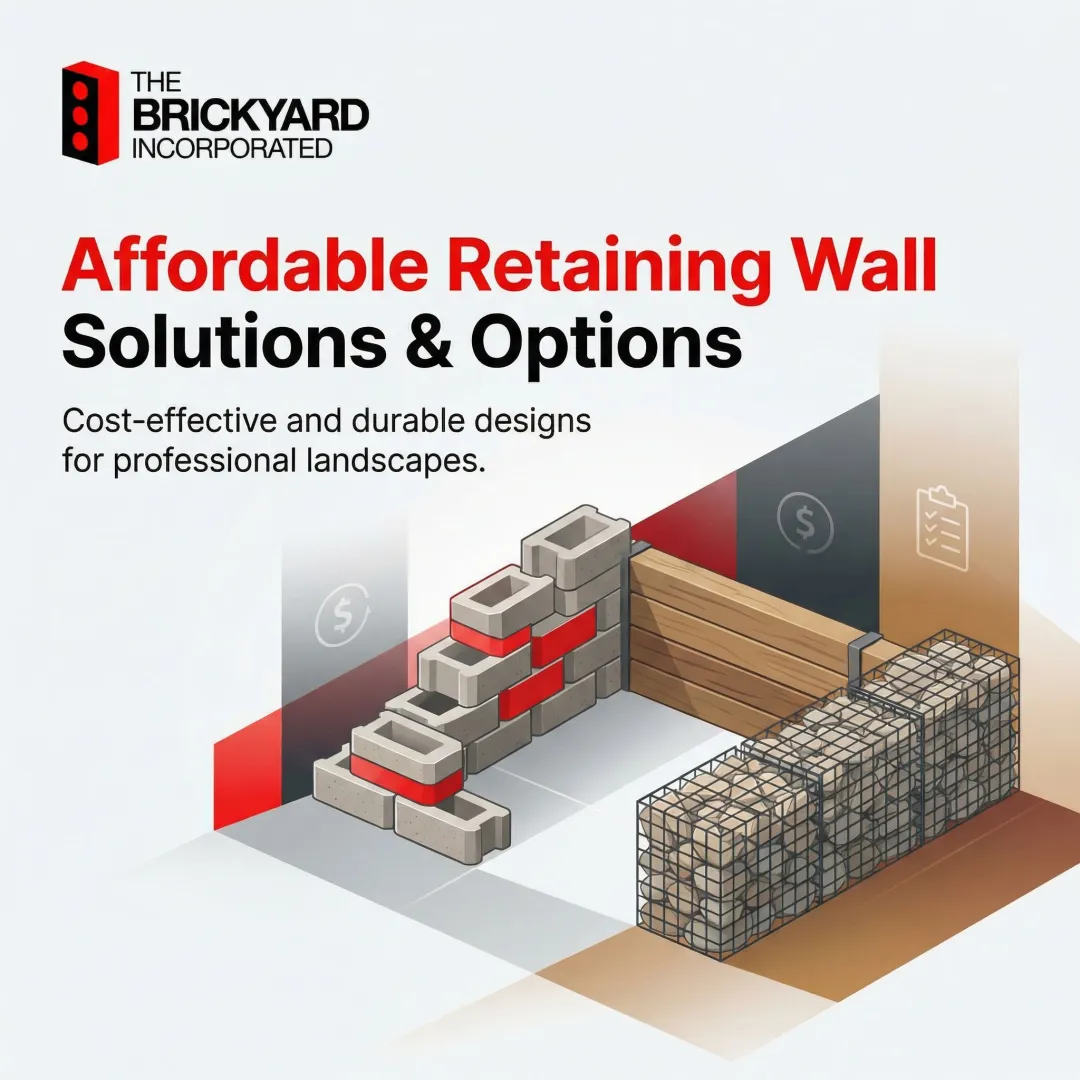
Mid-range walls use concrete block systems, brick, or gabion. Installed costs run $30–$60 per square foot. These handle the most common residential applications:
- Slope management and tiered landscaping
- Driveway and yard boundary support
- Projects where durability and installation speed both matter
Concrete block systems are a popular choice here — modular, mortar-free, and rated for 50–100 years of service.
High-End / Premium Retaining Walls
Premium walls use natural stone, poured concrete, or engineered systems, typically over 4 feet tall. Installed costs range from $60–$150+ per square foot. This tier makes sense when:
- The wall carries significant structural load (soil, vehicles, structures above)
- Aesthetics are a priority — front yards, visible slopes, outdoor living areas
- Longevity is non-negotiable (natural stone and poured concrete can last 100+ years)
Poured concrete is the go-to for taller structural walls; natural stone delivers the best visual result where appearance counts.
Retaining Wall Costs by Material Type
Material is the single biggest lever on both cost and longevity. The options below cover a wide spectrum — from budget timber to premium natural stone — so you can match the right choice to your site, budget, and timeline.
Concrete Block / Segmental Retaining Wall Systems
Installed cost: $15–$60 per square foot | Lifespan: 50–100 years
Among the most popular for residential use, modular concrete block systems offer availability, design flexibility, and durability. They stack without mortar but require precise base leveling and gravel backfill. A practical all-around choice for most homeowners.
Natural Stone and Stone Veneer
Installed cost: $20–$150+ per square foot | Lifespan: 100+ years
Natural stone delivers unmatched aesthetic appeal, but irregular shapes require skilled labor and hand-placement — which drives up installation costs. Stone veneer (installed over a structural core) runs $30–$80 per square foot and provides the look of natural stone at a lower price point.
Timber / Railroad Tie Walls
Installed cost: $15–$30 per square foot | Lifespan: 10–20 years
Timber's lower upfront cost appeals to budget-conscious homeowners, but trade-offs are significant:
- Limited height capability (typically under 3 feet)
- Susceptible to rot and moisture damage
- Shorter lifespan than any masonry option
- Railroad ties contain toxic creosote — avoid them near gardens or play areas
Brick Retaining Walls
Installed cost: $30–$60 per square foot | Lifespan: 100+ years
Brick suits front-yard and high-visibility applications where appearance matters. Installation requires mortar and skilled masons, pushing labor costs higher. Structurally, brick typically acts as a veneer over a concrete block core rather than a load-bearing wall on its own.
Gabion Walls
Installed cost: $10–$55 per square foot | Lifespan: 10–75 years
Wire boxes filled with rock work well on steep slopes and erosion-prone sites. No concrete foundation required, and drainage is excellent by design — making gabions a cost-effective option where water management is a priority.
Poured Concrete
Installed cost: $20–$100 per square foot | Lifespan: 50–100 years
The most labor-intensive option, requiring formwork, rebar, and curing time. Best reserved for high-load structural walls where strength outweighs cost concerns.
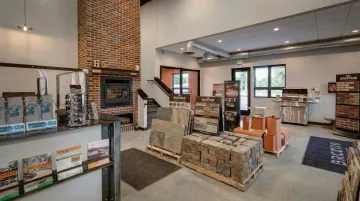
For Milwaukee-area projects, The Brickyard stocks brick, cultured stone, natural stone, and retaining wall block across this full range — with staff who can help you match the right material to your specific site and budget.
Key Factors That Affect Retaining Wall Cost
Pricing is shaped by structural, site-specific, and regional factors. Two walls of the same length can land at very different price points depending on these variables.
Wall Height and Length
Height is the most critical structural variable. Walls over 3–4 feet typically require permits, engineering review, and reinforcement (rebar, deadmen anchors, geogrid). Taller walls also need deeper footings, which is especially consequential in Wisconsin and other Midwest climates where frost lines run deep.
Wisconsin code (SPS 321.17) mandates footings at least 48 inches below grade to prevent frost heave. In early 2025, frost depths reached 36 inches in parts of Wisconsin — undersized footings in that kind of winter shift and crack within a season.
Site Conditions and Accessibility
Site factors drive cost significantly:
- Steep slopes require more excavation and take longer to work on
- Limited access for heavy machinery increases labor time
- Rocky or expansive soil may require additional prep
- Walls built on slopes can cost 50% more than those on flat ground
Drainage Requirements
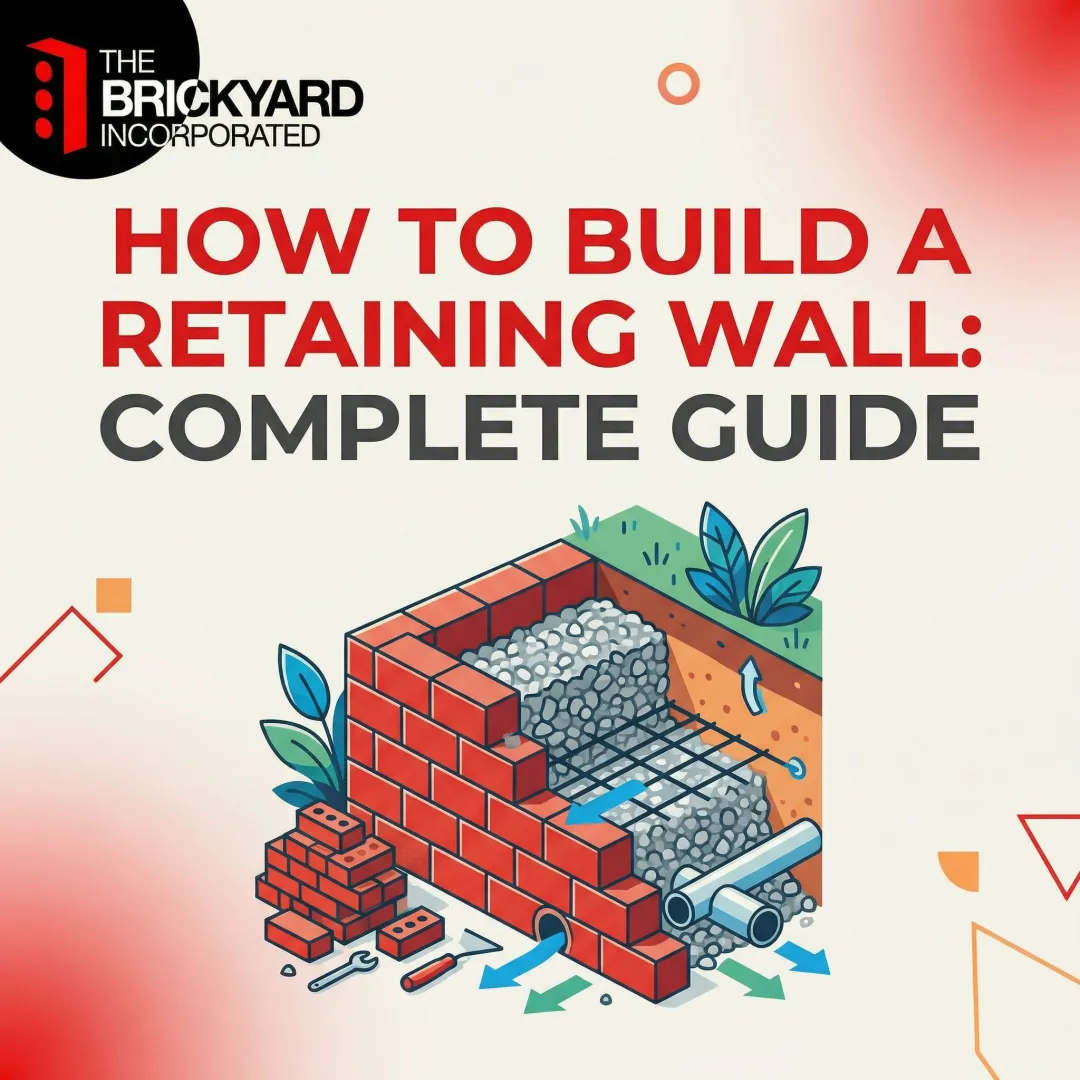
All properly built retaining walls require drainage — gravel backfill, weep holes, and often a French drain. Skipping drainage leads to wall failure. Installing a French drain system costs $10–$65 per linear foot, and that cost is almost always cheaper than rebuilding a wall that failed because saturated soil built up too much hydrostatic pressure behind it.
Permits and Engineering
Permits and structural engineering are typically required for:
- Walls over 3–4 feet tall
- Walls near structures or property lines
- Sloped or unstable terrain
Milwaukee-area permit requirements are stricter than the national average:
- City of Milwaukee requires permits at just 32 inches of unbalanced fill
- South Milwaukee requires professional engineering for walls over 3 feet
- Shorewood requires review for walls over 2 feet
Typical permit fees range from $50–$450. Structural engineering plans cost $500–$2,000+ depending on complexity.
Labor Costs
Labor makes up 40–60% of the total project cost. Professional contractors charge $50–$75 per hour, or $15–$50 per square foot. Complex designs — curves, steps, tiered walls — require more skilled labor and take longer. Building on slopes or with limited access can increase labor costs by 50% or more.
What's Included in the Total Retaining Wall Cost?
Retaining wall quotes include several line items beyond just the blocks themselves. Here's what every project budget should account for:
One-Time Costs (required on every project):
- Site prep and excavation — clearing land, grading, and digging the base trench
- Base material — minimum 6 inches of densely compacted gravel for a level foundation
- Materials — blocks, drainage gravel, rebar or geogrid reinforcement
- Labor — construction, cutting, and compaction work
- Permits — municipal approval required in many areas, depending on wall height and location
- Engineering fees — stamped structural drawings typically required for walls over 4 feet
These six costs appear on nearly every project. Permits and engineering fees are situational, but skipping them when required can lead to costly corrections later.
Ongoing and Future Costs:
- Drainage maintenance — clearing weep holes and verifying French drain function each season
- Periodic inspection — especially important for walls over 10 feet
- Repairs — patching, correcting lean or bowing, replacing deteriorated timber sections
- Eventual replacement — quality materials extend lifespan significantly and push this cost further out
What Most People Get Wrong When Budgeting for a Retaining Wall
Three planning mistakes account for most blown retaining wall budgets.
1. Focusing only on material price, not installed cost
Labor, drainage, and site prep often represent half or more of the total project cost. DIY is only viable for small walls under 3 feet using stackable block systems.
2. Skipping drainage to save money
Inadequate drainage is the leading cause of retaining wall failure — and rebuilding a failed wall costs far more than getting drainage right the first time. An $800 drainage system can prevent a $12,000 rebuild.
3. Choosing the cheapest material without comparing lifespan
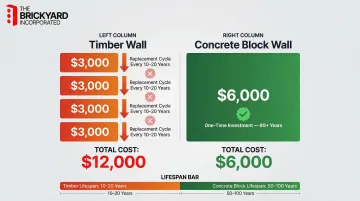
A timber wall costs less upfront but needs replacement every 10–20 years. A concrete block or natural stone wall lasts 50–100 years. Over 60 years, replacing a $3,000 timber wall four times costs $12,000 — double the one-time price of a $6,000 concrete block wall that outlasts the property.
Frequently Asked Questions
How much does it cost to build a 4 ft retaining wall?
A 4-foot retaining wall typically costs $1,400–$2,600 for 10 linear feet, or $3,500–$6,500 for 25 linear feet installed. This height usually requires permits in the Milwaukee area and may need engineering review depending on location and soil conditions.
What is the cheapest type of retaining wall to build?
Timber and basic concrete block are the most budget-friendly options, costing $15–$30 per square foot installed. However, timber has height restrictions (typically under 3 feet) and a shorter lifespan (10–20 years) compared to concrete block (50–100 years).
Do I need a permit to build a retaining wall?
Most jurisdictions require permits for walls over 3–4 feet. In the Milwaukee area, thresholds are stricter: the City of Milwaukee requires permits at 32 inches, and Shorewood requires review for walls over 2 feet. Always check with your local municipality before starting.
How long does a retaining wall last?
Lifespan depends on material and drainage quality. Timber lasts 10–20 years, concrete block lasts 50–100 years, and natural stone can last 100+ years with proper drainage and maintenance.
Can I build a retaining wall myself to save money?
Walls under 3 feet are good DIY candidates using stackable block systems on flat, well-drained sites. Walls taller than 3 feet require professional installation, permits, and often engineered design for safety and code compliance.
What is the most durable retaining wall material?
Poured concrete and natural stone are the most durable options, lasting 50–100+ years. Poured concrete offers a monolithic, low-maintenance finish, while natural stone provides a more natural aesthetic but requires skilled installation. Either way, adequate drainage is essential—without it, even the strongest wall will fail under hydrostatic pressure.